Kosta Boda

We've been passionate about Swedish brand Kosta Boda ever since The Scandinavian Shop opened in the early 1970s – so it’s been a while. But even at that time they were already well-established at the forefront of glassware and art glass design.
Named after its founders
In 1742 two former officers in King Charles XII of Sweden's army, Anders Koskull and Georg Bogislaus Staël von Holstein, created a glass business. They named it Kosta - a portmanteau of their own surnames, KO(skull) and STA(ël). They chose their site in Småland in Southern Sweden because it was close enough to supply both Stockholm and Karlskrona, and was surrounded by forest for an endless supply of wood to fire the furnaces.
Those furnaces have been lit continuously since 26 July 1742, which makes Kosta the oldest active glassworks in Sweden, in a region now known as Glasriket 'the Kingdom of Crystal'.
For its first 150 years or so, Kosta mostly made fine glassware for royalty and the wealthy - chandeliers, window panes, drinking glasses - largely copying styles from elsewhere in Europe. But that changed after the 1897 Stockholm Exhibition, where Kosta's glass was criticised for looking too much like everyone else's. The following year, in 1898, they hired Gunnar G:son Wennerberg as their first in-house designer, and in 1935 Tyra Lundgren became their first female designer. It's then that Kosta really started to develop a design identity of their own.
Kosta merged with the neighbouring Boda and Åfors glassworks in the 1970s, and officially took the name Kosta Boda in 1976 - which is roughly when we first fell for the brand ourselves.

Bertil Vallien

If one name defines Kosta Boda's art glass, it's Bertil Vallien. He's been designing for the brand for over 60 years, and is best known for his sand-cast sculptural work — pieces built up from sand moulds rather than blown, giving them a more textural quality. He's married to fellow Kosta Boda designer Ulrica Hydman-Vallien, and between them the two have shaped a huge amount of what people picture when they think of Swedish art glass.
His archive is extensive, and the Brains series remains some of his most recognisable work (amongst many others). But it's one of his newer pieces we keep coming back to. The House is a quieter, more contemporary read on his sand-cast style: still unmistakably his, and with a considerable presence, but pared back in a way that feels fresh alongside the archive pieces.

House, 138mm clear, by Bertil Vallien for Kosta Boda
At the other end of his range sits Brains — bolder, more colourful, and some of his most recognisable pieces.
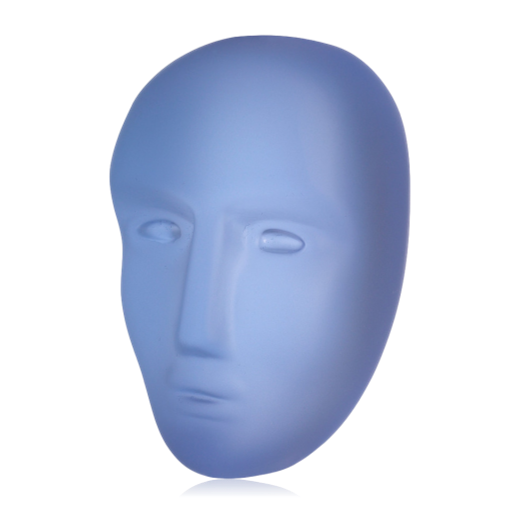
Brains, Blue Karolina, by Bertil Vallien for Kosta Boda
See our Bertil Vallien collection →
The Snowball votive
We can't talk about Kosta Boda without mentioning the Snowball, especially since we share a birth year. Designed by Ann Wärff (now Wolff) in 1973, the same year we opened, this glass votive was inspired by the traditional Swedish snowball lanterns once used to light up snowy winter nights. Lit with a tealight, the textured glass glows. Of all the votives Kosta Boda produces, this is the one that stands out. It’s the epitome of Nordic hygge, and a genuine design classic.

Snowball votive, medium, by Ann Wärff for Kosta Boda
See all Kosta Boda snowballs →
Kappa
Not everything at Kosta Boda looks back. Mimmi Blomqvist's Kappa vases are contemporary but also timeless. Beautifully rounded, they’re aptly named after the small bubble of glass that rises over the rim during production. And because they're mouth-blown, no two pieces are the same. That's even more true of the coloured Kappa vases, which are made from excess glass shards from the Kosta Boda glassworks, turning offcuts into new pieces. That makes the colour of each one unique, too, with the mix of pigments giving subtle variations from blue through to grey.

Large blue Kappa vase by Mimmi Blomqvist for Kosta Boda
See all of our Kosta Boda Kappa vases →
Crackle
Åsa Jungnelius brings a different energy with her Crackle range — glass vases, bowls and votives finished with a fractured, ice-like texture, which is created by shocking the hot glass with cold water during the making process. Each piece is different, and catches the light in its own way. The clear glass versions are the most ice-like and organic in appearance, but they're also available in striking shades of pink, green and blue.

Large pink crackle vase by Åsa Jungnelius for Kosta Boda
See Kosta Boda crackle vases, bowls and votives→
Gabba Gabba Hey Gorilla
Ludvig Löfgren sits at the more playful end of the Kosta Boda roster. He's the name behind Gabba Gabba Hey, the sculptural gorilla figure which always raises a smile. Available in different sizes and colours, he’s part of Löfgren's My Wide Life series of jungle-inspired creatures. Löfgren is also the designer behind the Still Life skull votives, which contrasts a classic memento-mori motif with the warm domestic glow of a tealight. Neither series is quite what you'd expect from Swedish glass design.

Nearly 300 years of glassmaking runs through everything Kosta Boda makes, and it shows in the breadth of their range, from the quiet, everyday glow of a Snowball votive to the bold, saturated colour of Vallien's Brains. Classic, modern, minimal and maximalist — whatever draws you in, there's a piece of that design legacy and craft behind it. No wonder Kosta Boda is one of Sweden's best-loved glassmakers.